Categories
Bali Culture

Discovering the Hidden Gem of Mas Ubud Village: A Guide to Authentic Experiences

Discovering the Hidden Gem of Mas Ubud Village: A Guide to Authentic Experiences

Nestled amidst the lush rice fields and vibrant artisan culture, Mas Ubud Village offers an authentic glimpse into the traditional Balinese way of life. Located just a short drive from the bustling heart of Ubud, Mas has long been known for its deep-rooted cultural heritage, particularly in the realm of wood carving and art. Whether you’re seeking a peaceful retreat or an enriching cultural experience, Mas Ubud has something to offer every traveler. Here’s a guide to the must-do activities in this charming village:
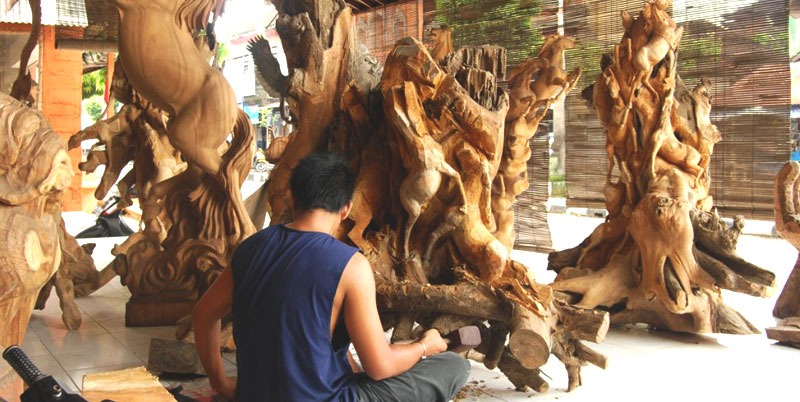
Mas Village | Center of Wood Carving in Ubud Bali

1. Explore the Art of Wood Carving

Mas Ubud Village is renowned as the wood-carving capital of Bali, where generations of artisans have perfected the craft. Walk through the village, and you’ll see numerous workshops and galleries showcasing exquisite wooden sculptures, from intricate religious figures to contemporary designs. Many of these artisans welcome visitors, allowing you to observe the process firsthand. For a more immersive experience, consider taking a wood-carving class and create your own Balinese art to take home as a meaningful souvenir.

2. Visit the Pura Taman Pule Mas Temple

A visit to Mas Ubud is not complete without experiencing its spiritual side. Pura Taman Pule Mas, a sacred temple located in the heart of the village, is a serene space where locals come to pray and celebrate important religious festivals. The temple’s intricate architecture, adorned with hand-carved stone statues and shrines, is a testament to Balinese craftsmanship. If you’re lucky, you may witness a traditional ceremony or a temple festival, which offers a captivating glimpse into Balinese Hindu culture.

3. Stay in a Traditional Balinese Villa

For a truly immersive experience, consider staying in one of the traditional Balinese villas in the village, such as Harmony Wooden Villas, which embrace the philosophy of Tri Hita Karana—a concept that emphasizes harmony between humans, nature, and the divine. These villas, surrounded by rice fields and lush greenery, provide a peaceful retreat where you can reconnect with nature. Staying in a traditional villa not only offers comfort but also an opportunity to experience daily Balinese life, including local rituals and interactions with the warm-hearted villagers.

4. Take a Walk Through the Rice Fields

The picturesque rice fields surrounding Mas Ubud Village are perfect for those seeking tranquility and natural beauty. Strolling through the green terraces early in the morning or during sunset offers a sense of calm and connection with Bali’s agrarian roots. You can even meet local farmers working in the fields and learn about the traditional subak irrigation system, a UNESCO-recognized practice that has sustained Balinese rice cultivation for centuries.

5. Learn Traditional Balinese Dance

Balinese dance is a mesmerizing cultural expression, and Mas Ubud is a fantastic place to witness and learn this ancient art form. Many local studios offer dance classes where you can learn the basics of traditional Balinese movements, which are closely tied to religious rituals and storytelling. Participating in a dance class is not only fun but also an enlightening way to understand Bali’s spiritual connection to art.

6. Enjoy Balinese Culinary Delights

No trip to Mas Ubud would be complete without indulging in Balinese cuisine. While the village is known for its arts and crafts, it’s also home to several local warungs (small eateries) offering authentic Balinese dishes. Enjoy local favorites like nasi campur, babi guling (suckling pig), and lawar in a traditional setting. If you’re staying at Harmony Wooden Villas, you might even get the chance to participate in a cooking class and learn how to prepare these dishes yourself.

7. Connect with the Locals

One of the most rewarding aspects of visiting Mas Ubud is the opportunity to connect with the locals. The village is home to warm and welcoming people who are eager to share their way of life with visitors. Whether it’s learning about traditional Balinese farming techniques, participating in daily offerings, or simply having a chat over a cup of Balinese coffee, these interactions provide a deeper understanding of the culture and values that shape life in the village.

8. Visit the Setia Darma House of Masks and Puppets

For something truly unique, venture a little outside of Mas to visit the Setia Darma House of Masks and Puppets, located in nearby Ubud. This fascinating museum houses an extensive collection of masks and puppets from Indonesia and around the world, highlighting the significance of these art forms in cultural and religious practices. The intricate details of the masks and puppets provide insight into the artistic heritage of Bali and beyond.

9. Experience a Balinese Healing Session

For those seeking spiritual healing, Mas Ubud is home to several traditional healers, or Balian, who offer holistic treatments using ancient Balinese techniques. Whether you’re interested in sound healing, chakra balancing, or herbal treatments, these sessions provide a unique way to experience Bali’s spiritual side and promote overall well-being.

Final Thoughts

Mas Ubud Village is a sanctuary of traditional Balinese culture, offering a peaceful escape from the tourist-heavy areas while immersing you in the local art, spirituality, and way of life. Whether you’re carving wood, dancing to the rhythm of Balinese music, or simply enjoying the stunning landscapes, a visit to Mas Ubud will leave you with unforgettable memories and a deeper appreciation of Bali’s rich cultural heritage.

Are you ready to explore the wonders of Mas Ubud? Let the village’s charm and warmth welcome you into the heart of Bali’s artistic soul, and stay at our harmony concept villas at Harmony Wooden Villas.

Facebook
Twitter
LinkedIn
WhatsApp

Head Office

Jalan Banjar Juga, Mas – Ubud www.harmonybalihospitality.comemail: info@harmonybalihospitality.com

Telp: +62 896-7713-7959

Categories
Bali Culture

Harmony Wooden Villas: Embrace Harmony in Every Moment

At Harmony Wooden Villas, we live by the sacred values of Tri Hita Karana, a traditional Balinese philosophy that promotes harmony between people, nature, and the divine. Our commitment to this way of life is deeply woven into every experience we offer, creating a retreat where peace, connection, and balance flourish.

A Serene Escape in Mas Ubud

Nestled in the heart of the tranquil Mas Ubud village, Harmony Wooden Villas is surrounded by lush rice fields and stunning natural beauty. The gentle rustle of the wind in the paddies, the songs of birds, and the soft glow of the morning sun make for an idyllic setting. Strolling through the village, you can observe local farmers tending to the land, a glimpse of an ancient tradition that continues to thrive. The calm and serene atmosphere of our villas invites you to slow down, reconnect with nature, and savor the simple joys of life.

Heartfelt Connections: Like Coming Home

At Harmony Wooden Villas, we believe in the power of human connection. From the moment you arrive, you’ll feel a sense of warmth and belonging. Our staff is not just here to serve; they are here to welcome you as part of our extended family. Every interaction, every smile, carries the essence of Tri Hita Karana, fostering a space that feels like home—where hearts are open, and relationships are built on mutual respect and care.

A Sacred Ritual: Offering Gratitude to the Divine

As part of your stay, we invite you to participate in one of Bali’s most revered daily traditions—making offerings. Alongside our staff, you will prepare and place these offerings as a gesture of gratitude to the divine, asking for blessings and expressing appreciation for the life around us. This sacred practice deepens your connection with Balinese culture, allowing you to experience a profound sense of peace and spiritual alignment.

A Symbol of Harmony: The Tridatu Bracelet

As a token of our bond, we offer each guest a Tridatu bracelet—a traditional Balinese bracelet symbolizing harmony, balance, and protection. This sacred thread embodies the essence of your experience with us, reminding you of the balance between the physical, spiritual, and natural realms. By wearing this bracelet, you become a cherished member of our Harmony Wooden Villas family, carrying a piece of Bali’s soul with you wherever you go.

At Harmony Wooden Villas, every moment is an opportunity to embrace harmony, connect with nature, and rediscover yourself. Come, join us in this journey of balance and serenity—you are not just a guest here, you are family.

Facebook
Twitter
LinkedIn
WhatsApp

Head Office

Jalan Banjar Juga, Mas – Ubud www.harmonybalihospitality.comemail: info@harmonybalihospitality.com

Telp: +62 896-7713-7959

Categories
Bali Culture

Annual Balinese Culture Festival – Pesta Kesenian Bali

Annual Balinese Culture Festival - Pesta Kesenian Bali

Bali, renowned worldwide for its rich tapestry of art and culture, takes center stage every year with the much-anticipated Pesta Kesenian Bali, or the Annual Balinese Culture Festival. This vibrant celebration is more than just a local event; it is a grand showcase of cultural heritage that attracts audiences from across Indonesia and around the globe.

A Cultural Melting Pot

While Bali itself is synonymous with a deeply rooted artistic tradition, the Pesta Kesenian Bali transcends regional boundaries by featuring cultural performances and exhibitions from various parts of Indonesia. This inclusivity reflects the diverse cultural landscape of the nation. Furthermore, the festival embraces international cultural exchanges by inviting performances from countries like Japan, France, and others. This global dimension not only enriches the festival but also fosters a spirit of international harmony and understanding.

Festival Location and Timing

The festival takes place in Denpasar, the bustling capital city of Bali. The primary venue is the Art Center Park Bali, located on Jalan Nusa Indah. This picturesque setting becomes a hub of activity and artistic expression for an entire month, aligning perfectly with the school holiday period. This timing is strategic, ensuring that students and families have ample opportunity to immerse themselves in the cultural festivities. Importantly, the festival is free to attend, making it accessible to all and encouraging widespread participation.

Objectives of the Festival

The Pesta Kesenian Bali is driven by several key objectives:

  1. Cultural Sustainability: The festival is a vital initiative aimed at preserving and promoting the rich cultural heritage of Bali. By showcasing traditional dances, music, crafts, and rituals, it ensures that these cultural treasures are passed down to future generations.

  2. Educational Outreach: By scheduling the festival during the school holidays, organizers aim to educate the younger generation about their cultural roots. The festival provides a living classroom where children can learn about and appreciate their cultural heritage in an engaging and interactive manner.

  3. Global Harmony: By inviting international participants, the festival fosters cross-cultural dialogue and understanding. It is a platform where diverse cultures can converge, share, and celebrate their unique traditions, promoting global harmony and cooperation.

Festival Highlights

The Pesta Kesenian Bali is a sensory feast, offering a wide array of activities and performances. Highlights include:

  • Traditional Dance and Music: Audiences are treated to mesmerizing performances of traditional Balinese dance and music, each telling a story and showcasing the island’s artistic prowess.
  • Art Exhibitions: Local artisans display their crafts, from intricate wood carvings to exquisite batik textiles, providing insight into the skilled craftsmanship of the region.
  • Culinary Delights: Food stalls offer a taste of Bali, allowing visitors to savor local delicacies and experience the island’s rich culinary heritage.
  • Workshops and Interactive Sessions: These sessions offer hands-on experiences in traditional arts, giving participants a chance to try their hand at various crafts and gain a deeper appreciation of the techniques involved.
  • Parades and Street Performances: Colorful parades and impromptu street performances add to the lively atmosphere, ensuring that there is always something to see and enjoy.

Conclusion

The Annual Balinese Culture Festival, Pesta Kesenian Bali, is more than just an event; it is a celebration of cultural identity, a bridge between generations, and a beacon of global unity. Whether you are a local resident, a visitor from another part of Indonesia, or an international tourist, the festival offers a unique opportunity to experience the magic of Balinese culture and the warmth of its people. Free and open to all, it invites everyone to partake in a month-long journey of discovery and celebration.

Join us in Denpasar this year and be part of a tradition that honors the past, celebrates the present, and inspires the future.

Facebook
Twitter
LinkedIn
WhatsApp

Head Office

Jalan Banjar Juga, Mas – Ubud www.harmonybalihospitality.comemail: info@harmonybalihospitality.com

Telp: +62 896-7713-7959

Copyright by Harmony Bali Hospitality

Categories
Bali

The Meaning of Water for the Balinese Community

Water is a symbol of life in Bali. It embodies the essence of Dewa Wisnu, the deity responsible for maintaining all life on Earth. Philosophically, water has the power to cleanse the soul and body spiritually, which is why many purification ceremonies in Bali utilize water to achieve spiritual and physical purity.

The Sacredness of Waterfalls

Among the many forms of water, waterfalls hold a particularly sacred status in Bali. These natural wonders are considered holy, and many people seek to purify their souls and bodies by visiting them. The act of cleansing at a waterfall is a profound experience, deeply rooted in Balinese spiritual practices.

Purification and Relaxation

In recent times, tourists have also become enamored with purification activities involving natural water sources and waterfalls. These activities offer a way to relax and rejuvenate both the body and soul. The serene environment and the sound of cascading water provide a perfect setting for spiritual reflection and renewal.

Bali’s Beautiful Waterfalls

Bali is home to numerous breathtaking waterfalls, each with its unique charm and spiritual significance. Here are some of the most notable ones:

1. Tegenungan Waterfall

Located in the village of Kemenuh, Tegenungan Waterfall is easily accessible and popular among both locals and tourists. The lush greenery surrounding the waterfall creates a picturesque setting, making it an ideal spot for relaxation and purification rituals.

2. Gitgit Waterfall

Situated in the northern part of Bali, Gitgit Waterfall is known for its scenic beauty and tranquil atmosphere. The waterfall is surrounded by tropical rainforest, providing a serene environment for visitors seeking spiritual cleansing and a break from the hustle and bustle of daily life.

3. Sekumpul Waterfall

Often regarded as one of the most beautiful waterfalls in Bali, Sekumpul Waterfall consists of a series of seven cascades, each contributing to a spectacular natural display. Located in the Singaraja region, it offers a more secluded and mystical experience, perfect for those looking to connect deeply with nature and their spirituality.

4. Tibumana Waterfall

Tibumana Waterfall, located near Ubud, is a hidden gem with a serene pool at its base, ideal for swimming and purification. The peaceful surroundings and gentle flow of water make it a favored spot for those seeking tranquility and a spiritual retreat.

5. Nungnung Waterfall

Nestled in the highlands, Nungnung Waterfall is one of Bali’s tallest and most powerful waterfalls. The journey to the waterfall involves a trek through lush forests, adding to the sense of adventure and spiritual quest. The sheer force and majesty of the waterfall make it a significant site for purification rituals.

Conclusion

For the Balinese, water is more than just a physical necessity; it is a sacred element that sustains life and purifies the soul. The waterfalls of Bali are not only natural wonders but also spiritual havens where both locals and visitors can cleanse themselves, finding peace and rejuvenation. Embracing the spiritual significance of water in Bali offers a deeper understanding of the island’s rich cultural and religious heritage.

Facebook
Twitter
LinkedIn
WhatsApp
Categories
Bali Culture

The Secret of KulKul: Bali’s Ancient Communication Tool

In the heart of Bali’s vibrant villages, an age-old tradition continues to thrive, connecting communities through sound. The KulKul, a traditional wooden bell, is more than just an instrument; it is the pulse of village life, a beacon of harmony, and a vital communication tool deeply ingrained in Balinese culture.

The Heartbeat of the Village: Bale Banjar

Every Balinese village is organized around its community center, known as the Bale Banjar. Here, the KulKul is prominently placed, often in a tower, ready to relay messages to the villagers. This central location ensures that the KulKul’s resonant sounds can be heard by everyone, maintaining the rhythm and harmony of daily life.

A Language of Its Own

The KulKul communicates through a sophisticated system of rhythms and beats, each with a distinct meaning understood by all villagers. This traditional form of communication ensures that everyone is informed and can respond appropriately to various situations. Here are some of the key signals:

  • Three Beats: A call to gather at the Bale Banjar. This might be for a community meeting, a ceremonial event, or important announcements.
  • KulKul Bulus: A rapid, continuous beating signals an emergency, such as a robbery or natural disaster. This urgent call to action alerts villagers to immediate threats, ensuring a swift and coordinated response.
  • Temple Calls: Specific patterns signal when it’s time to visit the temple for rituals or ceremonies, fostering spiritual harmony and communal worship.
  • Funeral Notices: A solemn, measured beat announces the passing of a community member, summoning villagers to pay their respects and participate in funeral rites.

Harmony and Tradition

The KulKul is a symbol of harmony in Bali. Its sounds weave through the daily lives of villagers, fostering a sense of unity and shared purpose. In a place where tradition and community are paramount, the KulKul plays an indispensable role in maintaining the social fabric.

A Mystical Alert System

Beyond its structured signals, the KulKul is sometimes believed to sound on its own during times of great distress, acting as a mystical warning system. This phenomenon, while rare, is deeply respected and adds to the KulKul’s revered status within the village. Such events are seen as a call to vigilance, urging the community to stay alert and prepared for unforeseen challenges.

The KulKul is a testament to the harmony that defines Balinese culture. It underscores the importance of community, tradition, and mutual support. In modern times, as we seek balance and connection in our lives, the KulKul stands as a powerful reminder of the enduring strength found in harmony and communal unity.

Conclusion

In the bustling villages of Bali, the KulKul remains a steadfast guardian of tradition and harmony. Its distinctive sounds not only convey messages but also echo the enduring values of Balinese society. As the world continues to evolve, the KulKul’s timeless resonance reminds us of the beauty and strength of a united community.

Facebook
Twitter
LinkedIn
WhatsApp
Categories
Bali Culture

Discovering Subak: The Ancient Balinese Irrigation System

Bali, Indonesia, is known worldwide for its stunning landscapes, rich cultural heritage, and the intricate beauty of its rice terraces. At the heart of these lush, green fields lies Subak, an ancient irrigation system that is a testament to the ingenuity and harmonious way of life of the Balinese people. Recognized by UNESCO as a World Heritage Site, Subak is not just an irrigation system but a symbol of communal cooperation and environmental sustainability.

What is Subak?

Subak is an agricultural water management system developed over a thousand years ago by the Balinese people. This traditional irrigation system is used to distribute water from the rivers and lakes to the rice paddies in a fair and efficient manner, ensuring that every farmer receives an equitable share of water. The core principle of Subak is “Tri Hita Karana,” which translates to the three causes of well-being: harmony with God, harmony among people, and harmony with nature.

The Structure of Subak

The Subak system is a complex network of tunnels, weirs, and channels that direct water through the rice terraces. It is governed by a set of rules and regulations managed by a Subak association, which is composed of the farmers within a particular region. These associations meet regularly to discuss water allocation, maintenance of the irrigation infrastructure, and the timing of planting and harvesting to ensure that all farmers benefit equally from the water resources.

UNESCO Recognition

In 2012, UNESCO recognized Subak as a World Heritage Site, highlighting its cultural significance and the sustainable practices it promotes. The inscription emphasizes the role of Subak in maintaining the cultural landscape of Bali, which includes the beautiful rice terraces that attract tourists from around the globe. UNESCO’s recognition has helped to preserve this ancient system and promote the importance of traditional knowledge in modern agricultural practices.

The Beauty of Bali’s Rice Terraces

The rice terraces of Bali, sculpted by centuries of Subak practices, are a sight to behold. These terraces are not only functional but also create a mesmerizing landscape that reflects the deep connection between the Balinese people and their environment. Popular spots like Tegalalang and Jatiluwih showcase the elegance and ingenuity of the Subak system, drawing photographers, nature lovers, and cultural enthusiasts.

Tegalalang Rice Terraces

Located in the uplands of Ubud, the Tegalalang Rice Terraces are famous for their stunning scenery and traditional Balinese irrigation system. The terraces are carved into the hillside, creating a dramatic, stepped landscape that is perfect for a leisurely walk or an early morning photo session.

Jatiluwih Rice Terraces

The Jatiluwih Rice Terraces, a part of the Subak system, are another must-visit destination. Spanning over 600 hectares, these terraces offer a glimpse into the harmonious relationship between the Balinese people and their land. Jatiluwih is renowned for its sweeping views and the intricate patterns of the terraces, which follow the natural contours of the landscape.

The Cultural Significance of Subak

Beyond its practical application, Subak holds deep cultural and spiritual significance for the Balinese people. The system is intertwined with religious rituals and community gatherings, reflecting the holistic approach of the Balinese to life and agriculture. Temples dedicated to the water goddess Dewi Danu are often found near Subak systems, where ceremonies are performed to ensure the continued flow of water and the fertility of the land.

Conclusion

Subak is more than just an irrigation system; it is a living testament to the wisdom and sustainability of ancient Balinese culture. Its recognition by UNESCO underscores the importance of preserving such traditional practices, which offer valuable lessons in community management and environmental stewardship. For visitors to Bali, exploring the rice terraces and learning about the Subak system provides a deeper appreciation of the island’s natural beauty and cultural richness. Whether you are an agriculture enthusiast, a cultural explorer, or simply someone who loves breathtaking landscapes, Subak and the rice terraces of Bali are sure to leave a lasting impression.

Facebook
Twitter
LinkedIn
WhatsApp
Categories
Uncategorized

Discovering the Uniqueness of Indonesia: Unity in Diversity

Bali - The Paradise Island

Indonesia, an archipelago that stretches across the equator, is a land of astonishing diversity and remarkable harmony. With over 17,000 islands, more than 700 ethnic groups, and over 300 languages spoken, Indonesia is a testament to the power of unity amid diversity. Let’s dive into what makes this Southeast Asian nation so unique and how it manages to maintain harmony among its myriad of cultures.

The Archipelago of Wonders

Indonesia’s geography is as diverse as its people. Spanning over 5,000 kilometers from east to west, Indonesia consists of thousands of islands, each offering a unique landscape. From the lush rainforests of Sumatra and Kalimantan to the volcanic mountains of Java and the stunning beaches of Bali, Indonesia’s natural beauty is unparalleled. This geographical diversity has shaped the country’s cultural and ethnic tapestry, making it a melting pot of traditions and lifestyles.

A Mosaic of Ethnicities

One of Indonesia’s most remarkable features is its ethnic diversity. Home to over 700 ethnic groups, each with its own distinct culture, traditions, and customs, Indonesia offers a rich cultural experience. The Javanese, Sundanese, Balinese, Batak, and Dayak are just a few of the many ethnic groups that contribute to Indonesia’s vibrant cultural mosaic. This ethnic variety is celebrated and preserved through various cultural festivals, traditional dances, and rituals that are integral to Indonesian society.

Linguistic Richness

Indonesia’s linguistic diversity is equally impressive, with over 300 languages spoken across the archipelago. While Bahasa Indonesia serves as the national language, fostering communication and unity, regional languages thrive and are actively used in daily life. This multilingualism not only enriches the cultural fabric of the nation but also reinforces the identity and heritage of its people.

Harmony in Diversity

Despite its vast diversity, Indonesia has managed to maintain a remarkable sense of harmony. This unity is deeply rooted in the nation’s philosophy of “Bhinneka Tunggal Ika,” which means “Unity in Diversity.” This motto, enshrined in the country’s constitution, emphasizes the importance of tolerance, mutual respect, and inclusivity. It encourages Indonesians to appreciate and celebrate their differences while working together towards common goals.

Several factors contribute to this harmonious coexistence:

  1. Inclusive National Identity: The sense of a shared national identity, promoted through education and media, helps foster a feeling of belonging among the diverse population.

  2. Strong Community Ties: Traditional communal values and local customs emphasize cooperation and mutual assistance, strengthening social bonds and mitigating conflicts.

  3. Religious Tolerance: Indonesia is home to various religions, including Islam, Christianity, Hinduism, and Buddhism. The government promotes religious tolerance and interfaith dialogue, which helps maintain peace and understanding among different religious communities.

  4. Decentralization and Autonomy: The government’s decentralization policies grant significant autonomy to local governments, allowing regions to manage their own affairs and preserve their unique cultures and traditions.

  5. Cultural Festivals and Celebrations: Regular cultural festivals and celebrations of ethnic diversity play a crucial role in fostering national unity. These events provide platforms for different communities to showcase their heritage and engage with one another.

Conclusion

Indonesia’s uniqueness lies in its incredible diversity and its ability to maintain harmony amid this diversity. The nation’s commitment to unity in diversity serves as a powerful example for the world, demonstrating that differences can be a source of strength rather than division. As we explore the islands, languages, and cultures of Indonesia, we are reminded of the beauty that lies in embracing and celebrating our differences. Indonesia’s harmonious coexistence offers a hopeful vision of what can be achieved when unity and diversity go hand in hand.

Facebook
Twitter
LinkedIn
WhatsApp
Categories
Uncategorized

Experience the Magic of Bali: An Island of Harmony and a Thousand Temples

Visiting Bali without indulging in its magical activities is like reading only the cover of an enchanting book. This unique island, renowned for its rich culture and serene way of life, is often called the “Island of a Thousand Temples,” reflecting its deep spiritual roots and harmonious existence. Whether you’re an adventurer, a culture enthusiast, or someone seeking peace, Bali offers a myriad of experiences that promise to leave an indelible mark on your soul.

Discover the Harmony of Balinese Life

Bali’s charm lies in its ability to blend tradition with modernity seamlessly. The island’s way of life is a testament to its philosophy of harmony. Here, spirituality, nature, and community are intertwined, creating a peaceful and welcoming atmosphere for visitors.

  1. Temple Visits and Ceremonies:

    • Tanah Lot Temple: Perched on a rocky outcrop, this iconic sea temple offers breathtaking sunset views. It’s a significant pilgrimage site that exemplifies Bali’s coastal temple architecture.
    • Uluwatu Temple: Situated on a cliff with sweeping ocean views, this temple is also famous for its Kecak dance performances at sunset, depicting the Ramayana epic.
    • Besakih Temple: Known as the “Mother Temple,” Besakih is the largest and holiest temple complex in Bali, located on the slopes of Mount Agung.
  2. Cultural Activities:

    • Traditional Balinese Dance: Experience the captivating movements of traditional dances like Barong and Legong, which tell stories of mythology and folklore.
    • Art and Craft Workshops: Join local artisans in Ubud to learn about Balinese painting, wood carving, and jewelry making, gaining insight into the island’s artistic heritage.
  3. Natural Wonders:

    • Tegallalang Rice Terraces: Marvel at the stunning, verdant terraces and learn about the subak irrigation system, a testament to the island’s agrarian culture.
    • Sacred Monkey Forest Sanctuary: Located in Ubud, this forest is home to hundreds of playful long-tailed macaques and ancient temples, offering a blend of nature and spirituality.
  4. Wellness and Relaxation:

    • Yoga and Meditation Retreats: Bali is a global hub for wellness, offering numerous retreats where you can practice yoga and meditation in serene, natural settings.
    • Balinese Spa Treatments: Indulge in traditional spa therapies that use natural ingredients and ancient techniques to rejuvenate your body and mind.
  5. Adventure and Exploration:

    • Mount Batur Sunrise Trek: Embark on an early morning trek to the summit of Mount Batur for a spectacular sunrise view over the caldera lake and surrounding mountains.
    • Water Activities: From surfing in Kuta to snorkeling in Nusa Penida, Bali’s pristine beaches and clear waters offer a plethora of exciting water sports.

Embrace the Spirit of Bali

Bali is not just a destination; it’s an experience that stays with you long after you leave. The island’s commitment to preserving its culture and nature, while welcoming visitors with open arms, creates a magical ambiance that resonates with every traveler.

When you visit Bali, immerse yourself in its activities, connect with its people, and let the island’s serene energy transform you. Only then will you truly understand why Bali is more than just a place—it’s a harmonious blend of life, spirituality, and beauty that captures the essence of magic.

So, pack your bags, open your heart, and get ready to experience the unparalleled magic of Bali. Your adventure awaits!

Facebook
Twitter
LinkedIn
WhatsApp

Welcome to Ubud – Bali

Nestled in the heart of Bali, Ubud is a sanctuary for those seeking a tranquil escape amidst lush landscapes and rich cultural heritage. Located approximately 37 kilometers northeast of Ngurah Rai Airport, this charming town offers a serene retreat from the bustling tourist hubs of the island. Let’s delve into what makes Ubud a must-visit destination, from its captivating activities to its profound cultural significance.

Ubud’s Enchanting Landscape: Embracing Harmony

Ubud’s allure lies in its harmonious blend of natural beauty and cultural richness. As you venture away from the airport, you’ll be greeted by verdant rice paddies stretching as far as the eye can see. These iconic terraced landscapes not only paint a picturesque scene but also serve as a testament to Bali’s agricultural heritage. Take a leisurely stroll through the rice fields, or opt for a cycling tour to immerse yourself in the tranquility of rural life.

Immerse Yourself in Cultural Exploration

Ubud is more than just a scenic destination; it’s a cultural mecca that beckons travelers with its vibrant arts scene and spiritual ambiance. Explore the town’s myriad art galleries and craft shops, where you’ll find exquisite traditional Balinese handicrafts, intricate wood carvings, and vibrant paintings depicting local life. Don’t miss the opportunity to witness a mesmerizing traditional Balinese dance performance, which embodies the essence of the island’s cultural heritage.

Delve into the Heart of Balinese Religion

At the core of Ubud’s cultural tapestry lies the spiritual beliefs that shape the daily lives of its inhabitants. Visit the town’s sacred temples, such as the majestic Goa Gajah (Elephant Cave) and the revered Pura Taman Saraswati, dedicated to the Hindu goddess of knowledge and the arts. Engage in meaningful conversations with local priests or participate in a traditional Hindu ceremony to gain insights into Bali’s deeply-rooted religious traditions.

Discover Tranquility and Serenity

In Ubud, harmony isn’t just a concept—it’s a way of life. Escape the hustle and bustle of modernity by indulging in rejuvenating spa treatments inspired by ancient Balinese healing rituals. From traditional massages to holistic wellness therapies, Ubud offers a myriad of options to restore your body, mind, and spirit. Unwind amidst the lush greenery of Ubud’s luxury resorts or seek solace in a tranquil yoga session overlooking the serene Ayung River.

Conclusion: Experience the Essence of Ubud

Ubud captivates the hearts of travelers with its serene landscapes, rich cultural heritage, and profound sense of harmony. Whether you’re exploring ancient temples, wandering through emerald rice paddies, or immersing yourself in Balinese arts and traditions, every moment in Ubud is an opportunity to connect with the soul of Bali. Embark on a journey of discovery and rejuvenation in this enchanting town, where every experience is infused with the spirit of harmony and tranquility.